Berber food in Imlil: tajines, bread and mint tea
Mountain food is simple and slow. Here is what comes to the table in Imlil, and why it is cooked the way it is.
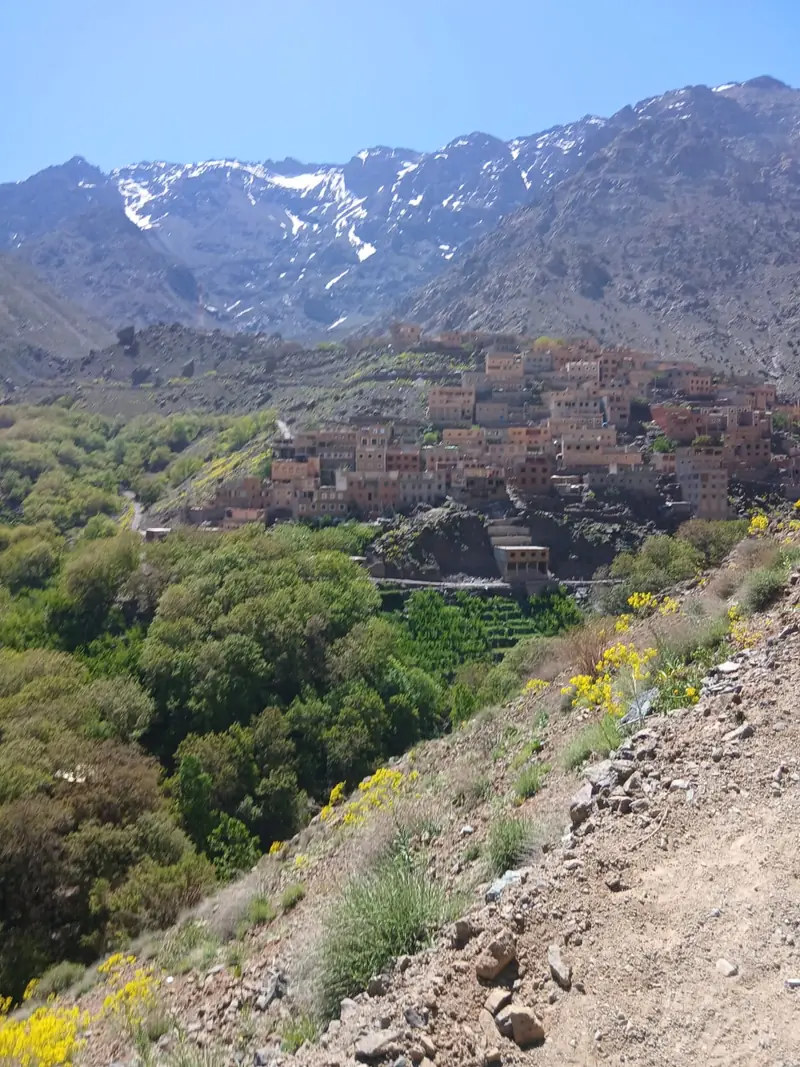
Imlil sits at about 1,800 metres in the High Atlas, where the tarmac road ends, and most visitors pass through on their way to or from Mount Toubkal. The food here is mountain food: Amazigh cooking has always been shaped by what is available locally.
The tajine is a pot before it is a dish
A tajine is two things at once: the clay pot and the stew cooked in it. The pot has a flat round base with low sides and a tall cone-shaped lid. The lid sends the steam back down onto the food, so a tajine needs very little water, which matters in places where water is scarce.
The usual spices are ginger, cumin, turmeric, cinnamon and saffron, and vegetable tajines often take paprika and chilli. Meat or chicken goes in with vegetables, and sometimes with fruit, nuts or dried fruit.
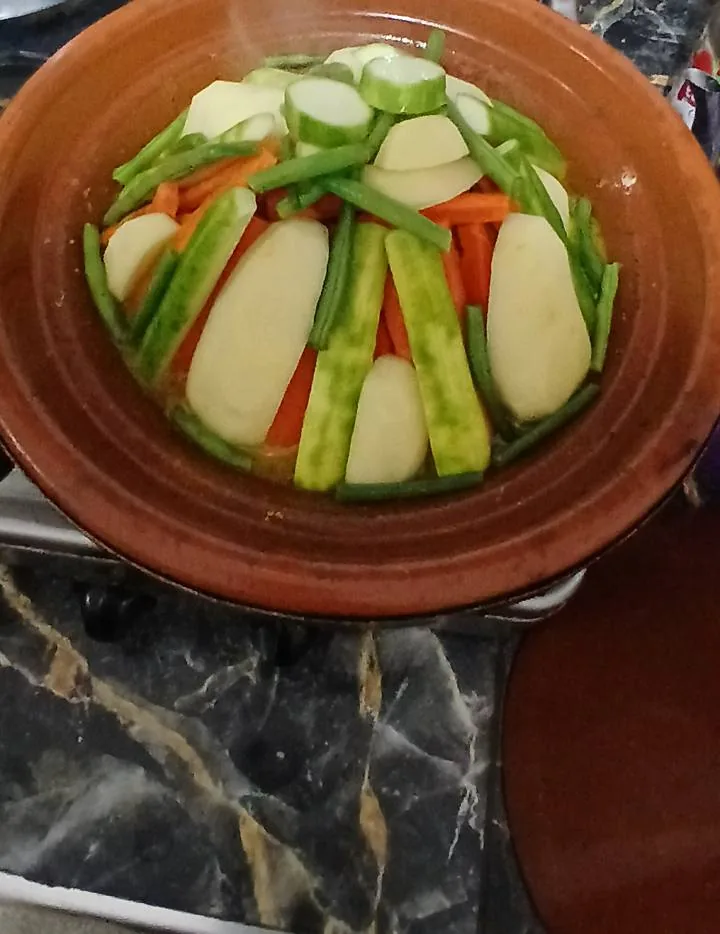
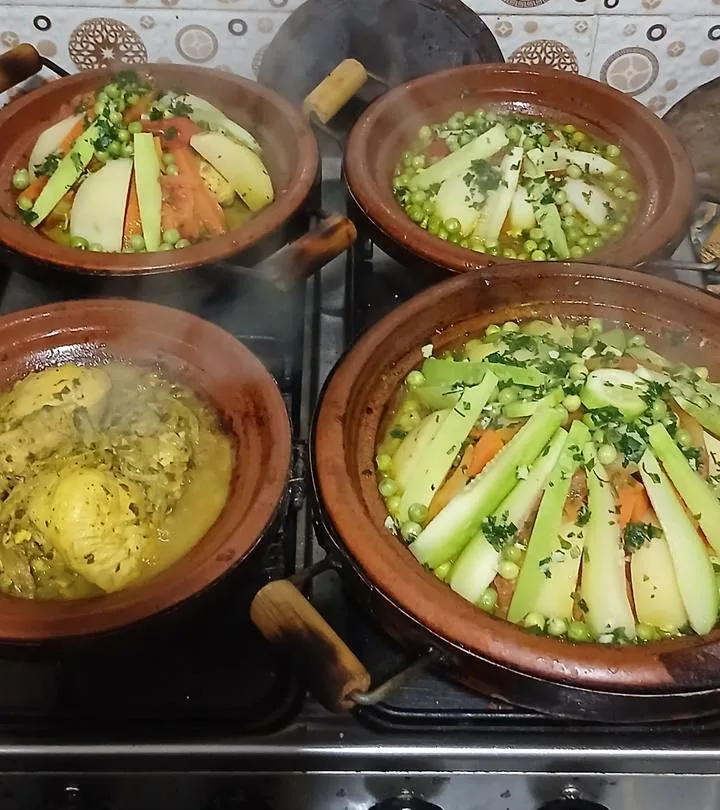
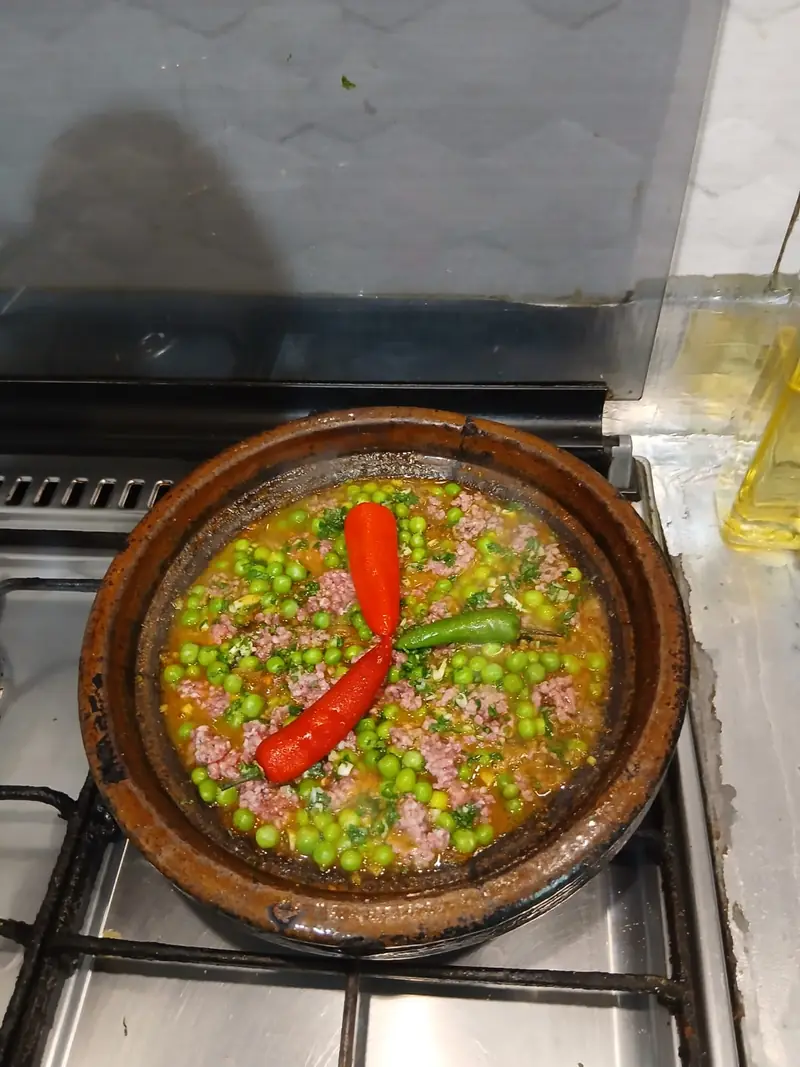
In our kitchen the vegetable tajines come first: potatoes, carrots, courgette, tomatoes and green peas, finished with fresh herbs. Chicken tajines, meat tajines and tanjia are on the menu too. A meal costs 130 to 199 MAD per person.
Bread is your spoon
Bread is a large part of every Moroccan meal, and traditionally people eat with their hands, using bread to do it. Tear off a piece, pinch up some vegetables and sauce from the pot, and repeat. That is why tajines are generally served with bread.
Tanjia, the slow pot from Marrakech
Tanjia (also written tangia) is not the same as a tajine. It is a tall, urn-shaped clay jar that comes from Marrakech. The classic filling is lamb with preserved lemon, cumin, garlic, saffron and a little olive oil. The jar is sealed with paper and cooked for hours in embers; traditionally it went overnight into the ashes of a household hearth or a hammam.
Couscous, a shared heritage
In December 2020 UNESCO added couscous to its list of the intangible cultural heritage of humanity. The listing covers the knowledge, know-how and practices of making and eating couscous, and four countries submitted it together: Algeria, Mauritania, Morocco and Tunisia.
Mint tea, for every guest
Moroccan mint tea, called atay, is gunpowder green tea brewed with fresh spearmint and sugar. It is poured into the glasses from high up, which sends the loose leaves to the bottom and aerates the tea. It is a sign of hospitality, and a guest is usually poured at least three glasses. Gunpowder tea was introduced to North Africa by the British in the 18th and 19th centuries, through Morocco and Algeria.
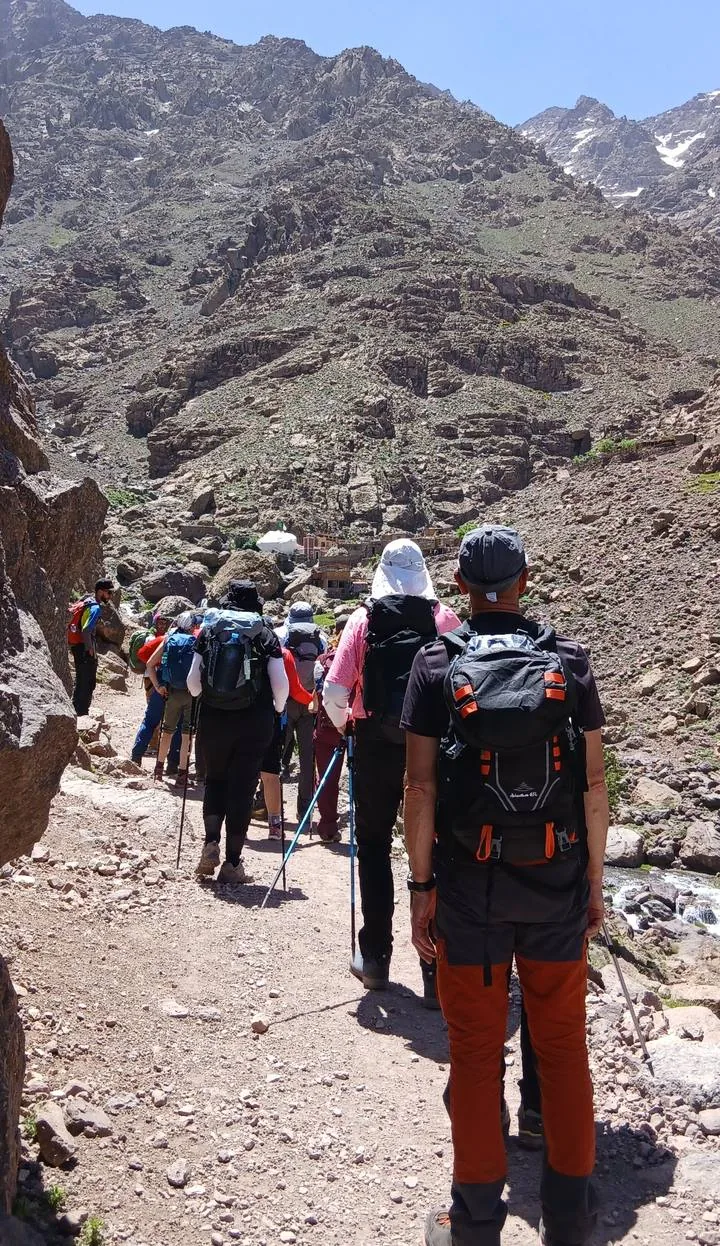
Tea is part of our day treks too: the 500 MAD price includes your guide, lunch and tea.